
We're thrilled to have you here! Our ever-growing library is designed to provide you with clear and accurate solutions to help you succeed in your academic journey.
Explore our extensive range of free solutions across various subjects, from mathematics to science, and beyond.
If you need more personalized assistance, we also offer affordable, tailored assignment help. Whether you're facing a challenging problem or need guidance on a project, our dedicated team is here to help you with your homework.
Click Here for Assignment HelpIf you appreciate our work, consider supporting us:
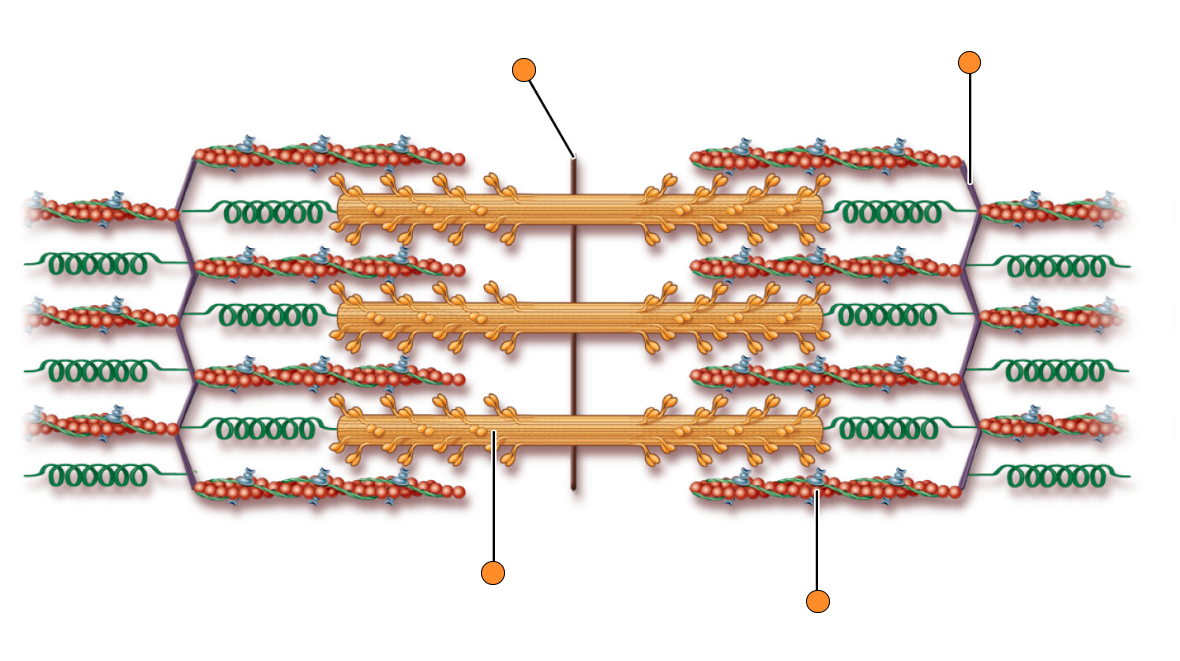 Structure and arrangement of thick and thin filaments. Zoom in. Label structures associated with a sarcomere
...
Read More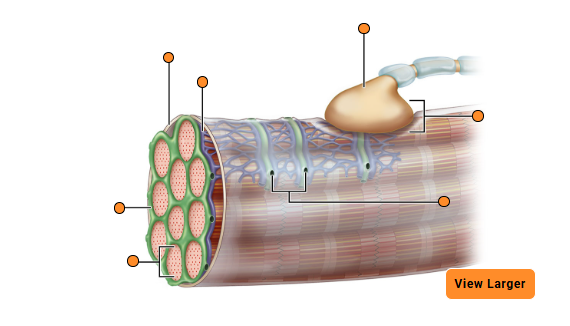
Structures Associated With Excitation-Contraction Coupling Label structures associated with excitation-contraction coupling
...
Read More
Structure of a Neuromuscular Junction and Skeletal Muscle FiberComplete the following steps:
...
Read MoreAdvocacy for change can be accomplished through the development of a Health Policy Brief. The purpose of a health policy brief is to provide policymakers with a clear, succinct overview of an issue. These issues often involve vulnerable populations, health disparities, and social determinants of health. Wong, et al (2017) posits, “A policy brief puts front and center the problem to be addressed by policy, then presents relevant evidence to support or analyze a proposed policy” (p. 22).
Include the following headings and required information in your Health Policy Brief:
1. Statement of the Issue:
2. Proposed Policy Change:
3. Context/Background of the Issue:
4. Impact of the Policy Change (This is the Conclusion):
References:
This assignment should be 3-4 pages not including the Reference page. This assignment will be scored using the written assignment rubric which requires APA formatting.
Wong, S. L., Green, L. A., Bazemore, A. W., & Miller, B. F. (2017). How to write a health policy brief. Families, Systems & Health: The Journal of Collaborative Family Health Care, 35(1), p. 21-24. How to write a health policy brief
This activity is tied to:
Will Answer soon...
Read MoreAdvocacy for change can be accomplished through the development of a Health Policy Brief. The purpose of a health policy brief is to provide policymakers with a clear, succinct overview of an issue. These issues often involve vulnerable populations, health disparities, and social determinants of health. Wong, et al (2017) posits, “A policy brief puts front and center the problem to be addressed by policy, then presents relevant evidence to support or analyze a proposed policy” (p. 22).
Include the following headings and required information in your Health Policy Brief:
1. Statement of the Issue:
2. Proposed Policy Change:
3. Context/Background of the Issue:
4. Impact of the Policy Change (This is the Conclusion):
References:
This assignment should be 3-4 pages not including the Reference page. This assignment will be scored using the written assignment rubric which requires APA formatting.
Wong, S. L., Green, L. A., Bazemore, A. W., & Miller, B. F. (2017). How to write a health policy brief. Families, Systems & Health: The Journal of Collaborative Family Health Care, 35(1), p. 21-24. How to write a health policy brief
This activity is tied to:
Will Answer soon...
Read MoreAdvocacy for change can be accomplished through the development of a Health Policy Brief. The purpose of a health policy brief is to provide policymakers with a clear, succinct overview of an issue. These issues often involve vulnerable populations, health disparities, and social determinants of health. Wong, et al (2017) posits, “A policy brief puts front and center the problem to be addressed by policy, then presents relevant evidence to support or analyze a proposed policy” (p. 22).
Include the following headings and required information in your Health Policy Brief:
1. Statement of the Issue:
2. Proposed Policy Change:
3. Context/Background of the Issue:
4. Impact of the Policy Change (This is the Conclusion):
References:
This assignment should be 3-4 pages not including the Reference page. This assignment will be scored using the written assignment rubric which requires APA formatting.
Wong, S. L., Green, L. A., Bazemore, A. W., & Miller, B. F. (2017). How to write a health policy brief. Families, Systems & Health: The Journal of Collaborative Family Health Care, 35(1), p. 21-24. How to write a health policy brief
This activity is tied to:
Will Answer soon...
Read MoreWeek 7 Discussion Question: NSG5911
· As PMHNP
students preparing for national certification, understanding Schizophrenia and
Psychotic disorders and their pharmacological treatments is critical for both
the exam and clinical practice. What study resources have you found most
helpful in mastering key concepts related to Schizophrenia and Psychotic
disorders and their medications, such as textbooks, review courses, online
platforms, or practice exams? What challenges have you had with this topic?
Feel free to include specific tools or strategies that have been
particularly useful in reinforcing your knowledge of mood disorders and
psychopharmacology.
Week 9 Discussion
Prompt:
End-of-life care often
involves intricate emotional, psychological, and existential challenges for
patients and their families. As PMHNPs, you'll play a vital role in addressing
the psychosocial aspects of terminal illnesses and the dying process.
·
How would you approach
the assessment and management of psychiatric symptoms, such as depression,
anxiety, or existential distress, in patients nearing the end of life?
·
Discuss the ethical
considerations, communication strategies, and potential interventions you would
employ.
·
Additionally, how would
you support families and caregivers, and what self-care techniques would
you utilize to manage your own emotional well-being during such
profound experiences?
Week 10 Self-Reflection
Discussion:
Objective:
To create a space for PMHNP students to discuss and reflect upon their
individual self-care practices, identify common challenges, and learn from each
other's experiences to develop a sustainable self-care approach in their
professional journey.
Discussion Prompt:
"Being a future
Psychiatric-Mental Health Nurse Practitioner (PMHNP) means we are constantly
exposed to the emotional and psychological challenges of our patients. While it
is our duty to support and heal, it's equally crucial to ensure we are tending
to our own well-being. Let's discuss our personal approaches to self-care, and
the barriers we face, and share insights on how we can collectively nurture a
culture of self-care within the mental health profession. Reflect on the
following points:
·
Defining Self-Care: How do you personally define self-care, especially
within the context of our demanding profession? Why is it pivotal for
PMHNPs?
·
Your Self-Care Toolkit: Share specific practices or routines that help you
maintain your mental, emotional, and physical well-being. How did you develop
these routines, and how do they impact your professional effectiveness?
·
Facing Challenges: Discuss a particular challenge or obstacle you've
encountered in maintaining your self-care routines. How did you manage or
overcome this, or is it an ongoing struggle?
·
Learning from Failures: Reflect on a time when neglecting self-care affected
your well-being or professional performance. What did you learn from that
experience?
·
Shared Wisdom: Offer a piece of advice or a strategy that has been
particularly beneficial for your self-care. How could it be implemented by
others?
Conclusion:
End your reflection by summarizing a key takeaway or insight from the
discussion that you intend to integrate into your self-care routine.
Reflection Points:
After the discussion, take a moment to reflect individually:
·
What did you learn from
your peers' experiences?
·
Has the discussion
influenced any changes or modifications in your self-care strategies?
·
How will you ensure that
self-care remains an integral part of your professional practice as a
PMHNP?
Purpose:
Encouraging PMHNPs
to reflect on their current self-care practices and challenges.
The purpose of the
assignment is to reflect upon valuable clinical experiences and offer
collaborative discussion and evidence to support best practices in practicum
experiences. The dialogue supports the reception of feedback from student
colleagues and course faculty. This assignment is intended to allow you to show
evidence of achievement of the course objectives.
Will answer soon...
Read MoreRecent research has
shown promising results regarding the use of ketamine and other
psychedelics, like psilocybin, in the treatment of certain mental health
disorders, such as treatment-resistant depression and PTSD. As future
PMHNPs, it's crucial to understand how to evaluate the suitability of
patients for these novel treatments.
·
What factors would you
consider when determining a patient's appropriateness for ketamine or
psychedelic therapies?
·
Discuss both the
potential therapeutic benefits and risks.
·
How would you navigate
informed consent, and potential contraindications, and integrate these
treatments within a broader therapeutic framework?
Moreover, how do societal perceptions and potential stigma regarding these substances play a role in your decision-making and patient education?
Will answer soon...
Read MoreRecent research has
shown promising results regarding the use of ketamine and other
psychedelics, like psilocybin, in the treatment of certain mental health
disorders, such as treatment-resistant depression and PTSD. As future
PMHNPs, it's crucial to understand how to evaluate the suitability of
patients for these novel treatments.
·
What factors would you
consider when determining a patient's appropriateness for ketamine or
psychedelic therapies?
·
Discuss both the
potential therapeutic benefits and risks.
·
How would you navigate
informed consent, and potential contraindications, and integrate these
treatments within a broader therapeutic framework?
Moreover, how do societal perceptions and potential stigma regarding these substances play a role in your decision-making and patient education?
Will answer soon...
Read More· As PMHNP students preparing for national certification,
understanding mood disorders and their pharmacological treatments is critical
for both the exam and clinical practice. What study resources have you found
most helpful in mastering key concepts related to mood disorders (e.g.,
depression, bipolar disorder) and their medications, such as textbooks, review
courses, online platforms, or practice exams? What challenges have you had with
this topic? Feel free to include specific tools or strategies that have
been particularly useful in reinforcing your knowledge of mood disorders and
psychopharmacology.
Will answer soon...
Read More